

The Three Stages of Alcoholism: Early, Middle, & End-Stage Alcoholism :)
Content
If you’re in this phase, you’ll often downplay the amount you drink and find ways of explaining away the behavior. You may start to experience consequences at work or school due to your habit and find yourself regularly hungover and craving more alcohol. The pre-alcoholic stage is a formative stage; people go in one of two directions. Those who begin using alcohol https://ecosoberhouse.com/article/rappers-that-struggle-with-addiction/ as a tool someone uses to unwind after a long day, bolster themselves in social situations, or help them fall asleep progress into the next stage of alcoholism. Those who find alternatives to drinking either stay in the pre-alcoholic stage or move away from drinking altogether. Little research on alcohol and alcohol addiction existed in the early 1900s.
Alcohol withdrawal symptoms can occur as early as two hours after your last drink. Typically, symptoms will peak within the first 24 to 48 hours upon cessation. This is when you may experience the most uncomfortable of withdrawal symptoms, such as insomnia, rapid heartbeat, changes in blood pressure, sweating, tremors, and fever.
End-Stage Alcoholism And Health Complications
As they continue drinking, though, they move from a point where their reasons for drinking are no longer social but psychological. Whether they realize it or not, they’re beginning to lose control of their drinking. If they do not stop drinking, they continue progressing to the point of alcohol dependence and then finally to the point of chronic alcohol use. Additionally, the DSM 5 journal indicates 11 diagnostic criteria for determining the presence of an alcohol use disorder.
- Withdrawal symptoms could be serious, including tremors and hallucinations.
- Through her extensive knowledge and personal experience of alternative therapies, Midge is able to empower a unique personal healing journey for each patient.
- We publish material that is researched, cited, edited and reviewed by licensed medical professionals.
- Alcoholics Anonymous is available almost everywhere and provides a place to openly and non-judgmentally discuss alcohol problems with others who have alcohol use disorder.
- You can ask for help at any point, whenever you realize your drinking has gone too far.
In fact, alcohol is the third-leading cause of preventable death in the United States. Once you take a sip of alcohol, your body prioritizes breaking down the alcohol over other bodily functions. When the immune system becomes damaged by heavy drinking, it can weaken functions like the lung immune response, increasing the risk of respiratory diseases like pneumonia. With a weakened immune system, an alcoholic’s life span drastically declines. Alcohol-induced liver disease refers to liver damage caused by excessive alcohol consumption. When you drink more alcohol than the liver can process, it can become severely damaged.
What Are the Signs?
In Denmark, registered alcohol consumption per capita decreased slightly after the year 2002. In Finland, registered alcohol consumption per capita peaked in the time period 2002–2006 in connection with an alcohol tax reduction. In Sweden, registered alcohol consumption per capita decreased slightly in the 90s and increased thereafter. Alcohol consumption was defined as the national average of registered amount of alcohol consumed (litres of pure alcohol) per capita aged ≥15 years during a calendar year. The aggregate indicator from taxation data included consumption for the entire population based on production, import, export and sales (6). Sophia joined Hemet Valley Recovery Center & Sage Retreat in November 2017, with two years of experience in the field of addiction, helping others learn a new way of life through the recovery process.
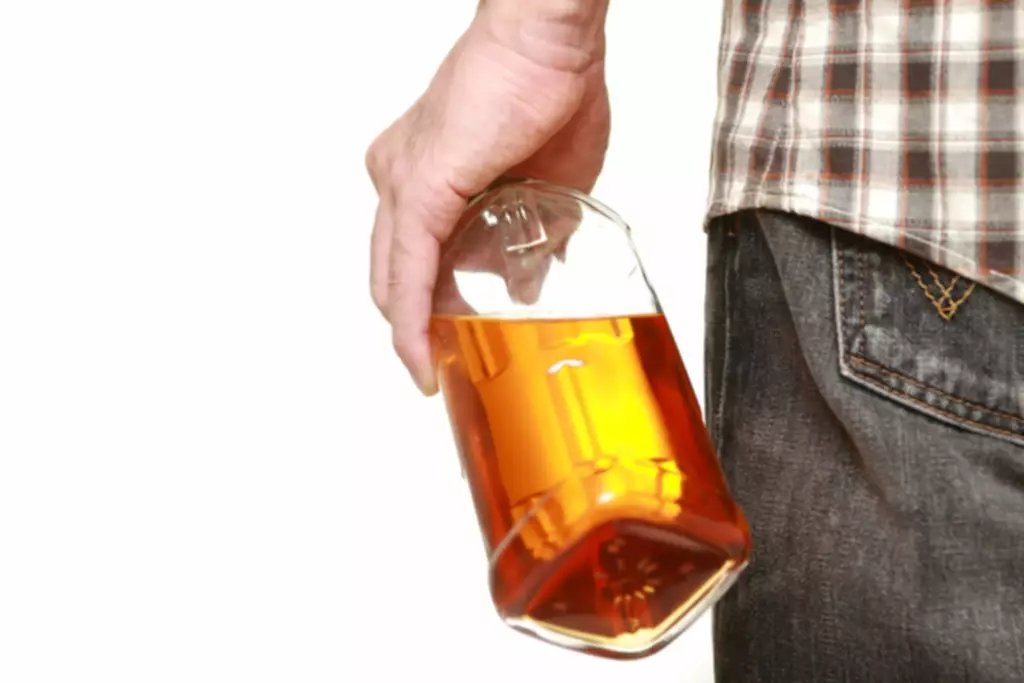
Your treatment setting will depend on your stage of recovery and the severity of your illness. You may need inpatient medical (hospital), residential rehabilitation (rehab), outpatient intensive therapy or outpatient maintenance. It’s a disease of brain function and requires medical and psychological treatments to control it. Like a fever, inflammation is supposed to be a temporary intervention.
What are the symptoms of alcohol use disorder?
The charts show global consumption of beer, first in terms of beer as a share of total alcohol consumption, and then the estimated average consumption per person. The diagnosis is made when drinking interferes with your life or affects your health. People who quit drinking alcohol after diagnosis show great improvement after six to 12 months. More severe cases can continue to show gradual improvement over the following years.
What are the 4 types of drinker?
Generally, people drink to either increase positive emotions or decrease negative ones. This results in all drinking motives falling into one of four categories: enhancement (because it's exciting), coping (to forget about my worries), social (to celebrate), and conformity (to fit in).
Using alcohol in situations where it’s physically dangerous, such as drinking and driving, operating machinery while intoxicated, or mixing alcohol with prescription medication against doctor’s orders. If your drinking is causing problems in your life, then you have a drinking problem. By Buddy T
Buddy T is a writer and founding member of the Online Al-Anon Outreach Committee with decades of experience writing about alcoholism. Because he is a member of a support group that stresses the importance of anonymity at the public level, he does not use his photograph or his real name on this website.
Lastly the final stage, known as the end-stage of alcohol abuse, is the point where the alcoholic is experiencing very serious health and mental issues. At this point, the drinker depends on alcohol to feel “normal” and may experience negative symptoms or feelings when they are not drinking. This dependency may have underlying emotional and mental motivations.
- But you will be in a healthier position to finally address them and seek the help you need.
- Crystal also has a background in Medical Surgical Nursing with a specialty in orthopedic surgery from Riverside University Health System, a level 1 trauma hospital.
- Alcohol-induced liver disease refers to liver damage caused by excessive alcohol consumption.
- A person with early-stage alcoholism may also exhibit a high tolerance to alcohol.
Denial is one of the biggest obstacles to getting help for alcohol abuse and alcoholism. The desire to drink is so strong that the mind finds many ways to rationalize drinking, even when the consequences are obvious. By keeping you from looking honestly at your behavior and its negative effects, denial also exacerbates alcohol-related problems with work, finances, and relationships.
With 24-hour care, this is the most intensive form of treatment and typically entails 30, 60 or 90-day programs. People with cirrhosis of the liver have a life expectancy of between two and 12 years. If you have early-stage cirrhosis, treatment and lifestyle changes can help you live longer.
- She began her journey in the addiction field working as a detox medication nurse shortly after graduation.
- Esther received a Certificate of Achievement in Addiction Studies at San Diego City College and has been a certified CADCII since 2002.
- Approximately 291 Americans die from alcohol-related causes each day, with an average of 29 years of life lost per alcohol-related death, according to the CDC.
- Further exploration and analysis of the study results revealed that people who drank beer or spirits, as well as binge drinkers, had the highest risk for mortality from all causes.
At the country level, as shown in the chart, this ranges from around 0.5 to 5 percent of the population. In Russia, for example, the prevalence is 4.7 percent meaning that almost how long do alcoholics live 1-in-20 have an alcohol dependence at any given time. The charts shown below present global data on the prevalence, disease burden and mortality cost of alcohol use disorders.
